Leadership Redefined: Experts Unpack Strategies for Navigating a ‘Polycrisis’ at AIM Panel Discussion
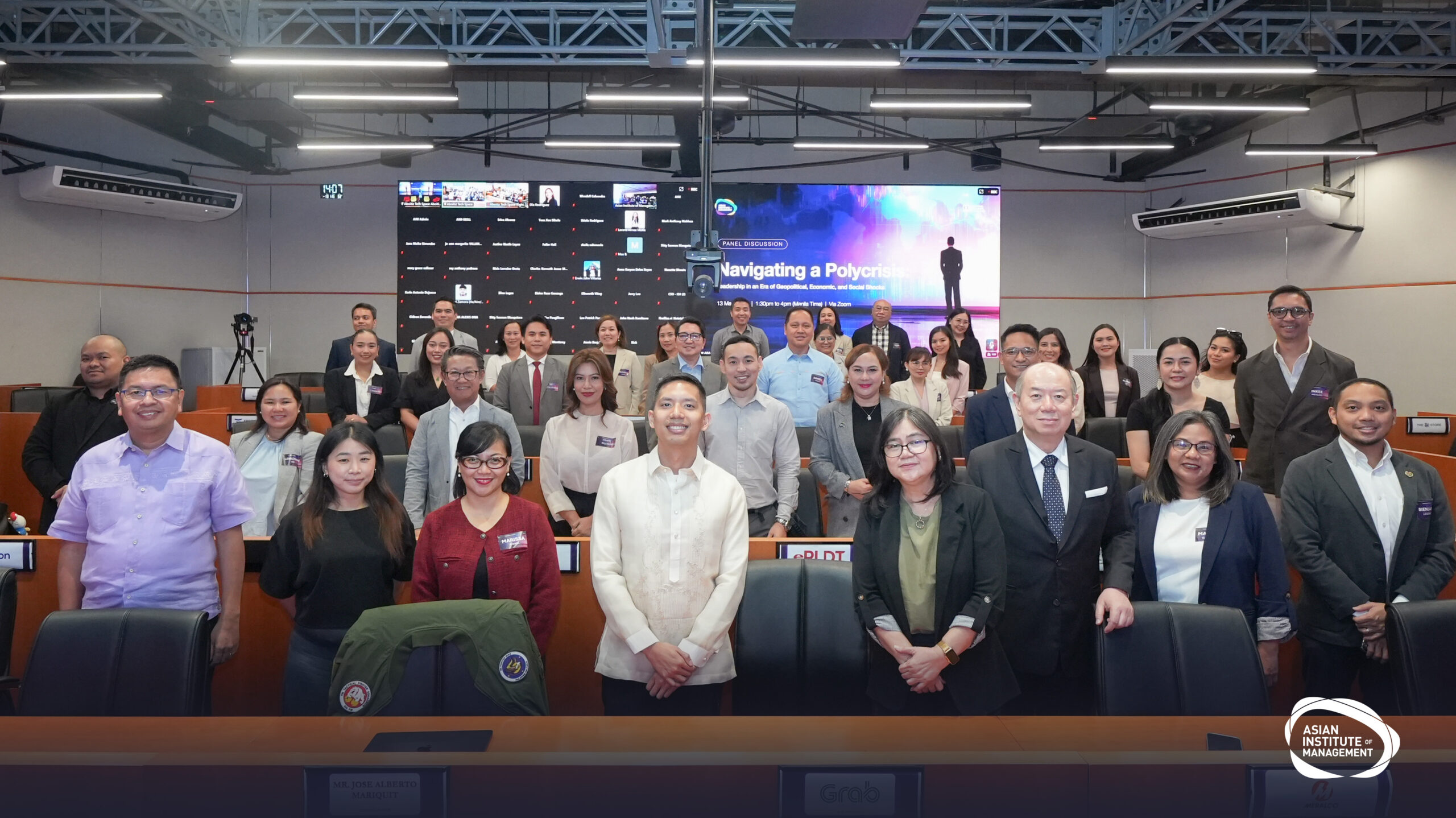
MAKATI, Philippines—As organizations face an unprecedented convergence of geopolitical tensions, economic instability, and technological disruptions, the Asian Institute of Management School of Executive Education and Lifelong Learning (AIM-SELL) brought together leading minds to address the future of governance and management.
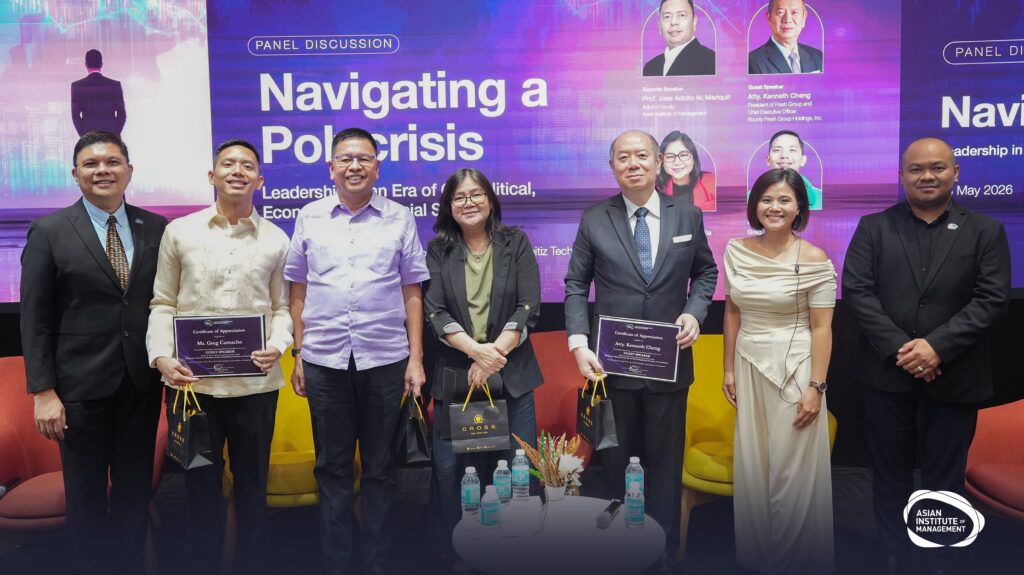
The panel discussion, titled “Navigating a Polycrisis: Leadership in an Era of Geopolitical, Economic, and Social Shocks,” was held at the Aboitiz Tech Space, AIM campus, on 13 May 2026. The event gathered top executives, academics, and industry pioneers to share actionable insights on building organizational resilience amid compounding global challenges.
Accountability and the Leadership Gap
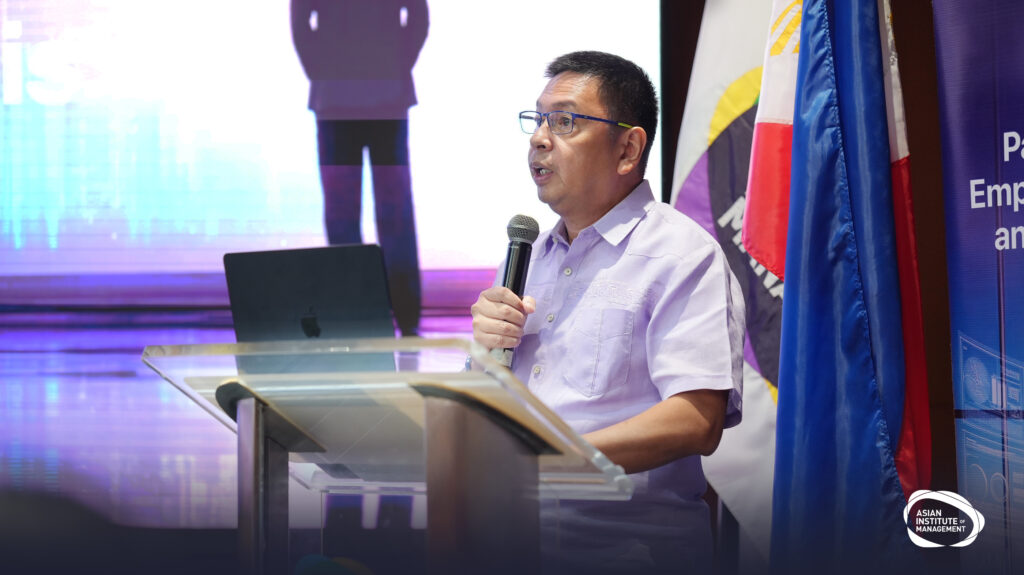
During the discussion, keynote speaker Mr. Jose Adolfo M. Mariquit, Adjunct Faculty at AIM, highlighted a critical bottleneck in institutional resilience: the quality of leadership itself. Prof. Mariquit emphasized that true resilience cannot be built in a vacuum and requires proactive, competent governance.
Reflecting on the enduring spirit of the nation alongside the need for stronger systemic support, Mr. Mariquit remarked:
“Filipinos have faced so much crisis. And we’re still here. We can do better, and it starts with our leaders—whether in business, and especially in society.”
His words serve as a direct call on leaders across both the public and private sectors to step up accountability and actively foster the country’s collective resilience.
Crisis as a Mirror for Corporate Character
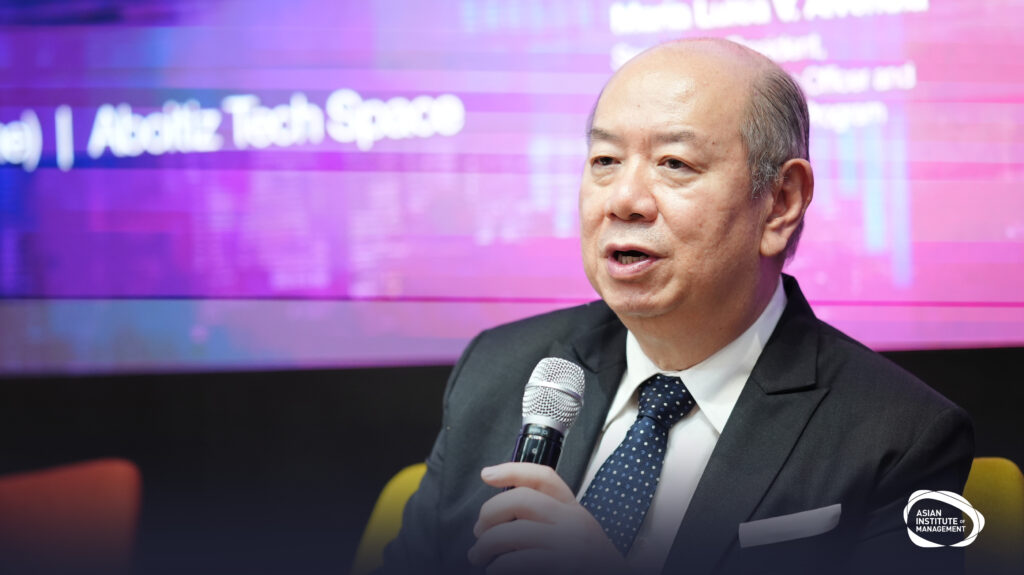
Shifting the focus to corporate strategy, Atty. Kenneth Cheng, President of Fresh Group and CEO of Bounty Fresh Group Holdings, Inc., shared how market shocks act as a litmus test for an organization’s foundational strength. According to Atty. Cheng, a crisis strips away superficial metrics to reveal what a company is truly made of.
“When [a] crisis happens, it reveals two things,” Atty. Cheng explained. “It reveals the capability of a company. It also reveals the character of the company—meaning to say, values.”
The Role of Technology: AI as an Enabler, Not a Substitute
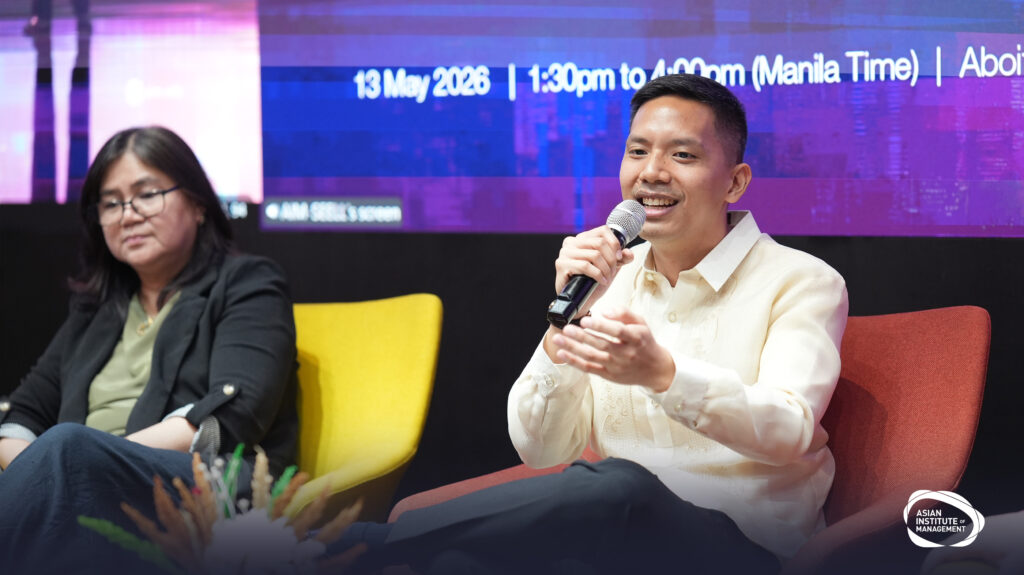
The conversation also steered toward technological disruption—a core component of modern polycrisis. Addressing the rapid integration of artificial intelligence in corporate workflows, Greg Camacho, Director of Off-Platform Solutions at Grab Financial Group and Payments, demystified the anxiety surrounding automation. He urged leaders to view technology as an enhancement to human capability rather than a threat.
“AI is a tool. It’s not meant to be a replacement,” Camacho noted, emphasizing that human intuition, empathy, and strategic decision-making remain irreplaceable assets in turbulent times.
Key Takeaways for the Future
The panel concluded with a unified message: navigating a polycrisis requires a balanced approach that combines robust institutional capability, an unyielding commitment to corporate values, and the strategic deployment of technology. The event underscored the Institute’s ongoing commitment to shaping leaders capable of guiding businesses through the complex macroeconomic landscape of 2026 and beyond.
Take the Next Step
Equip yourself with the strategic frameworks and leadership insights needed to guide your organization through global disruptions.
To future-proof your leadership strategy, explore our executive education programs at aim.edu.